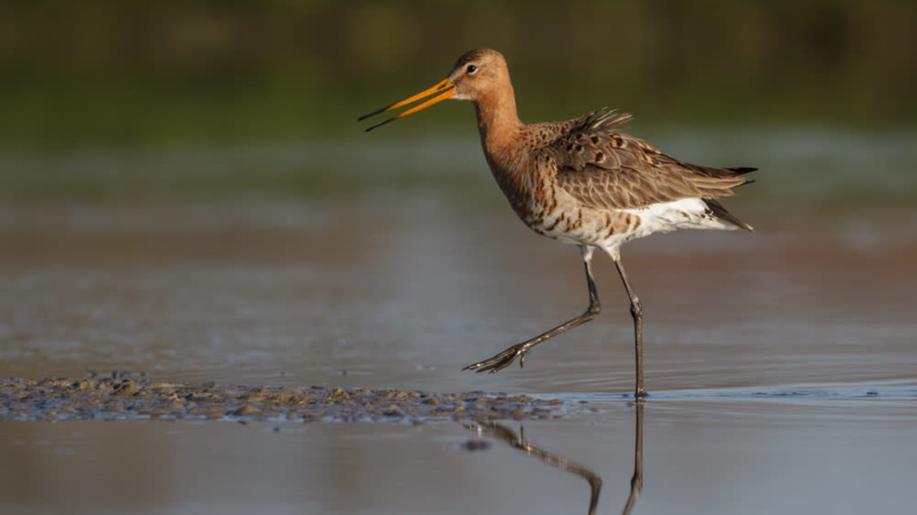
Laxey Bay, Isle of Man: This protected marine area is doing better than most, but there remains one rather foul problem to addressOn the east coast of the Isle of Man there exists an extraordinary little bay that supports a wealth of wildlife. Today, flowering thrift bobs among the breeding gulls and a gannet plunges in the bay, gathering food for a chick that is, almost unbelievably, in Scotland. I have seen 99 different species of bird here; eiders now breed, joining black guillemots, choughs, oystercatchers and peregrines. We have nesting gulls that winter in Africa (who would have thought?), replaced each year by a pod of bottlenosed dolphins who migrate up from Wales. Under the waves, an eelgrass meadow is recovering after bottom trawling was banned in 2009. The sandy bottom is home to spectacular small-spotted cat sharks as well as the venerable ocean quahog, a type of edible clam that can live to 500 years old, and one of the rarer species in all Britain and Ireland.Laxey Bay was designated a strict marine nature reserve in 2018, forming part of the Isle of Man's international commitment to protect 30% of our seas by 2030. Few of those paddling its cold waters will be aware that they're actually in a nature reserve - they don't usually come with ice?cream shops. For a marine area to be officially "protected" is no guarantee that it is safe from harm; destructive fishing practices still take place in such areas around the UK. But here the designation works: even potting and anchoring are banned in places. And the results speak for themselves - on the first day of the annual scallop season, there's a race to be the first to fish right up to the reserve boundary. Protecting bays like this results in larger and more abundant shellfish outside them. Continue reading...
Country diary: Sharks, clams and eelgrass - this is an underwater haven | David Bellamy
15. června 2024 9:48
Příroda
Zdroj: The Guardian