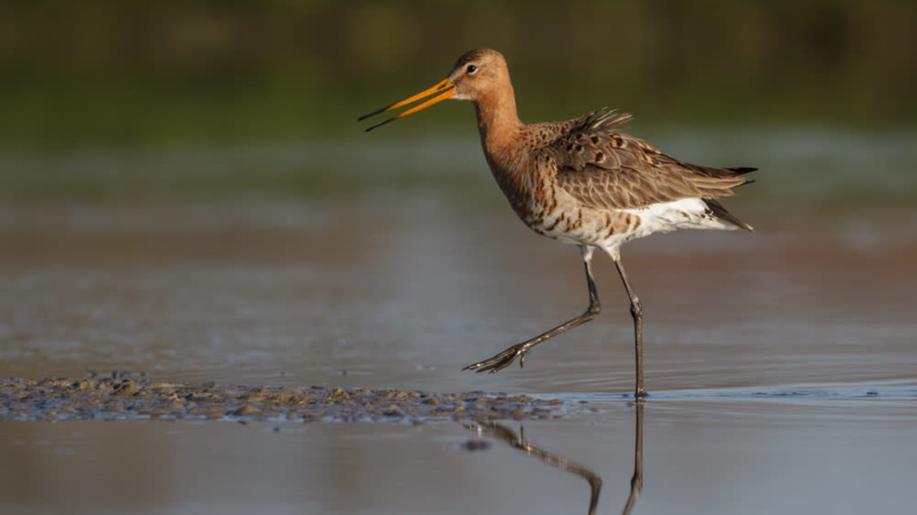
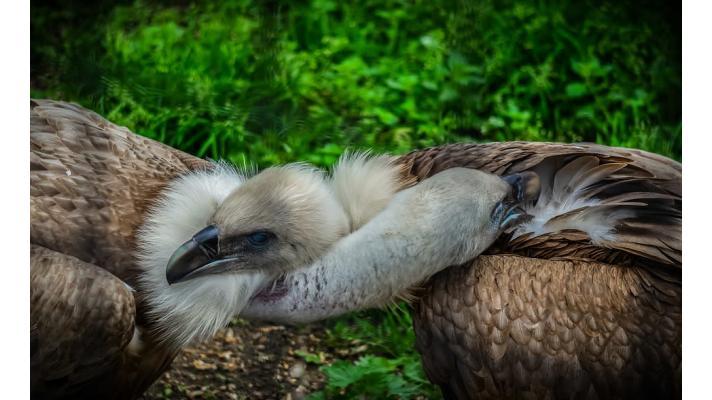
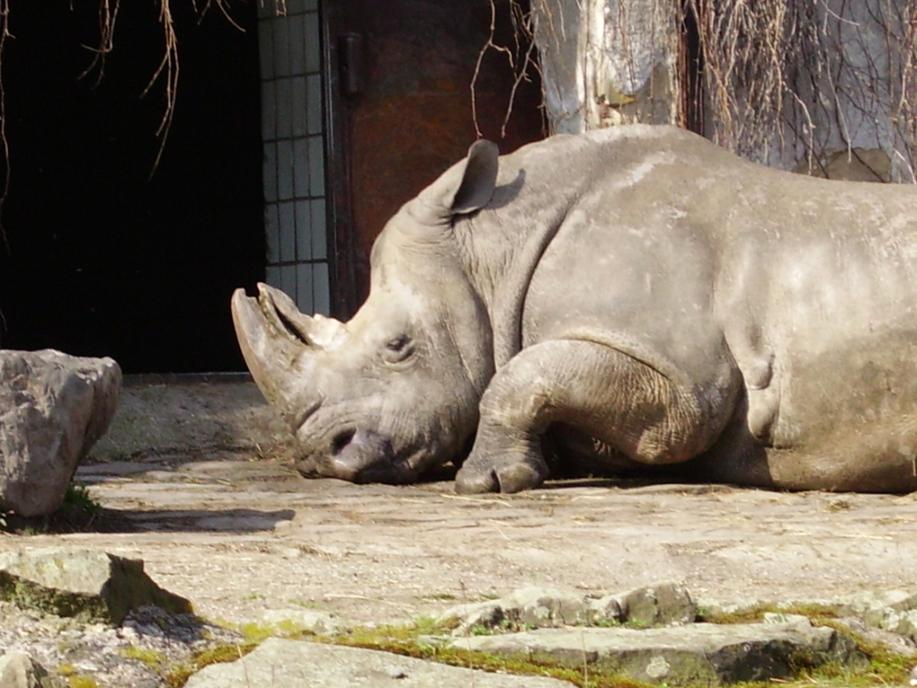
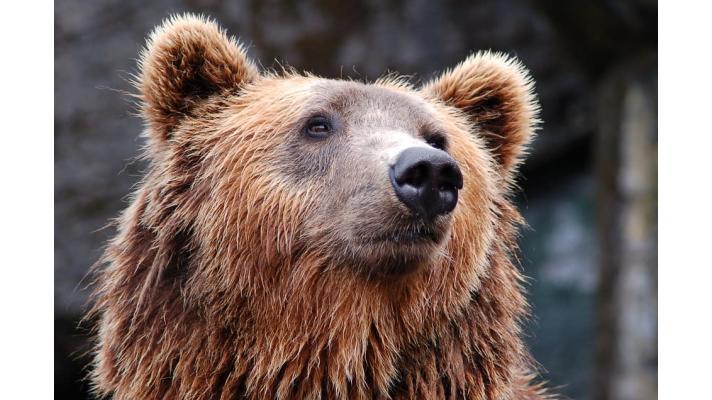
The forces that lock humans out of the DMZ have allowed other species to thrive. Could a remnant of violent conflict become the symbol of a greener, more peaceful future?o In pictures: wildlife in the DMZo The world's most dangerous nature reserveA thin green ribbon threads its way across the Korean Peninsula. Viewed from space, via composite satellite images, the winding swath clearly demarcates the political boundary between the Republic of Korea (ROK) and the Democratic People's Republic of Korea (DPRK). Its visual impact is especially strong in the west, where it separates the gray, concrete sprawl of Seoul from the brown, deforested wastes south of Kaesong. In the east, it merges with the greener landscapes of the Taebaek Mountain Range and all but disappears.From the ground, the narrow verdant band manifests as an impenetrable barrier of overgrown vegetation enclosed by layers of fences topped by menacing concertina wire and dotted with observation posts manned by heavily armed soldiers. That a place so steeped in violence still teems with life seems unimaginable. And yet, the Demilitarized Zone, or DMZ, is home to thousands of species that are extinct or endangered elsewhere on the peninsula. It is the last haven for many of these plants and animals and the centre of attention for those intent on preserving Korea's rich ecological heritage. Continue reading...
How wildlife is thriving in the Korean peninsula's demilitarised zone
13. dubna 2012 21:39
Příroda
Celý článek: https://www.theguardian.com/environment/2012/apr/13/wildlife-thriving-korean-demilitarised-zone
Zdroj: The Guardian