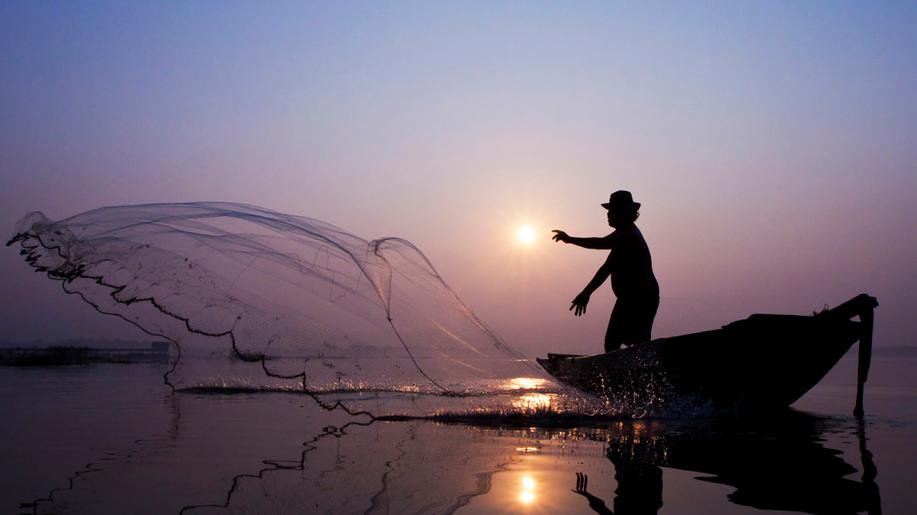
Prof Jane Whittle sheds light on the historical role of women on farms, while Elizabeth Brett offers a gender-neutral option that's simpler than 'ploughperson'As an expert on gender and work in Devon and Somerset in the 16th and 17th centuries, I can tell you that there is nothing ridiculous or ahistorical about acknowledging female farmers and agricultural workers (Devon pub reaps Twitter storm after adding ploughperson's to menu, 28 March).It was rare for women to plough, but we do have one example from Somerset in 1551. Women did much other farm work though, such as "clodding" the soil to break down lumps of clay, and then sowing, weeding and harvesting crops. They made hay, sheared sheep and did all the milking. Overall, we calculate that women did 32% of field work and 52% of tasks associated with animal husbandry in this period. So although "ploughman" is consistently used to symbolise small farmers and agricultural wage workers, much of the work was done by women then, as now.Prof Jane WhittleUniversity of Exeter Continue reading...
Women's work in the field - and the pub | Letters
29. března 2022 10:30
Příroda
Celý článek: https://www.theguardian.com/environment/2022/mar/29/womens-work-in-the-field-and-the-pub
Zdroj: The Guardian