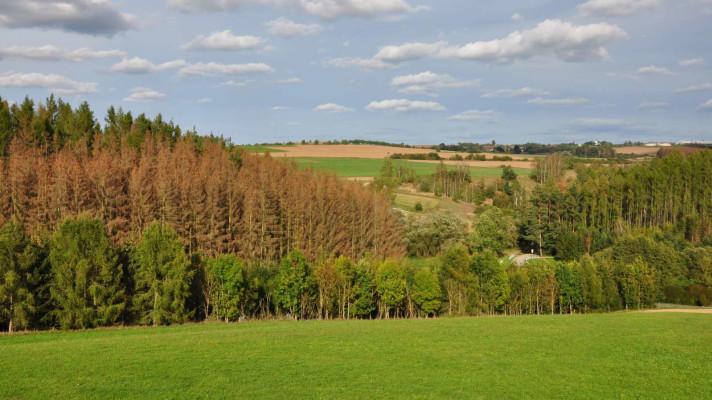
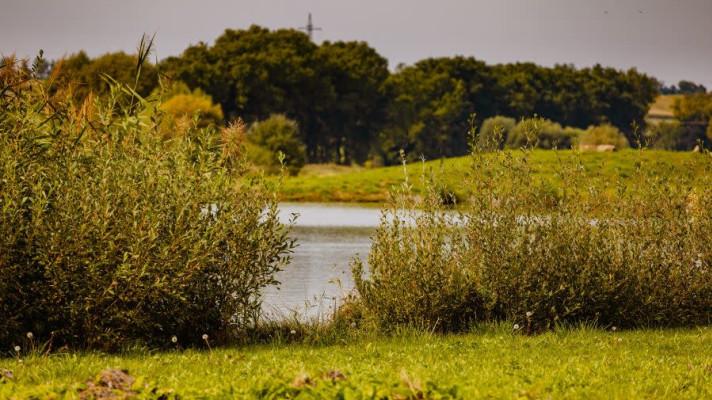
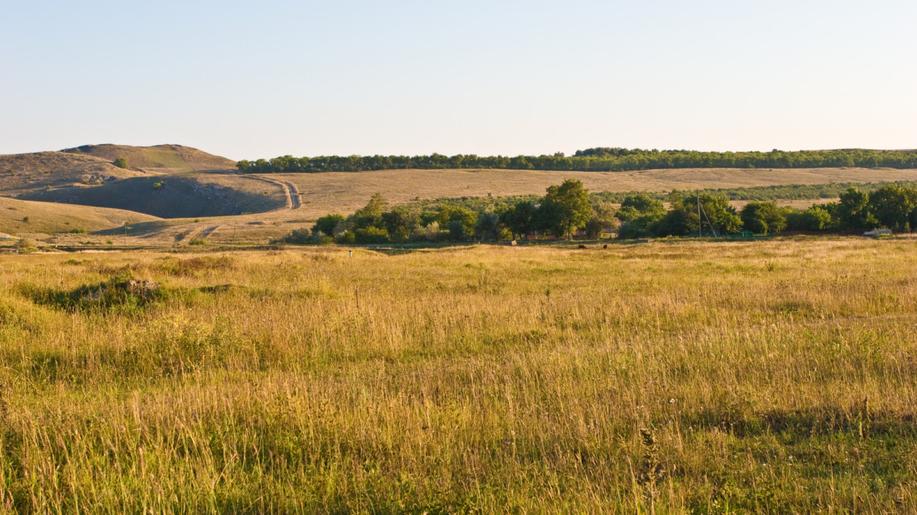
Teesdale, North Pennines: Before the plough returns, there's time to enjoy field pansy and cut-leaved cranesbill, thriving in bare earthA month after the combine's visit, this field still tells a tale of a difficult harvest: decayed, scattered sheafs of wheat, flattened by wind and rain, which escaped under the cutter bar. Gleaners - wood pigeons, sparrows, field mice, rooks - did well this year, but spilt grain that they missed has germinated. A green haze of young wheat leaves is rising through the sun-bleached stubble.Soon, the plough will carve its brown corduroy furrows, preparation for resowing. Until then, there's time to enjoy a glorious autumn flowering of cornfield annuals beside the footpath. Scentless mayweed, field pansy, cut-leaved cranesbill, constant companions to cultivated crops, are thriving in the bare earth. The scarlet flowers of corn poppies, waving above the stubble, are here because a plough brought dormant seeds to the surface last autumn, when light triggered their germination. Its next pass will bury another generation, to resurface who knows when; a perpetually churning soil seed bank, until herbicides become so effective that no seeds survive for annual reinvestment. Continue reading...
Country diary: After the harvest, the wildflower opportunists have moved in | Phil Gates
6. října 2023 9:30
Příroda
Zdroj: The Guardian