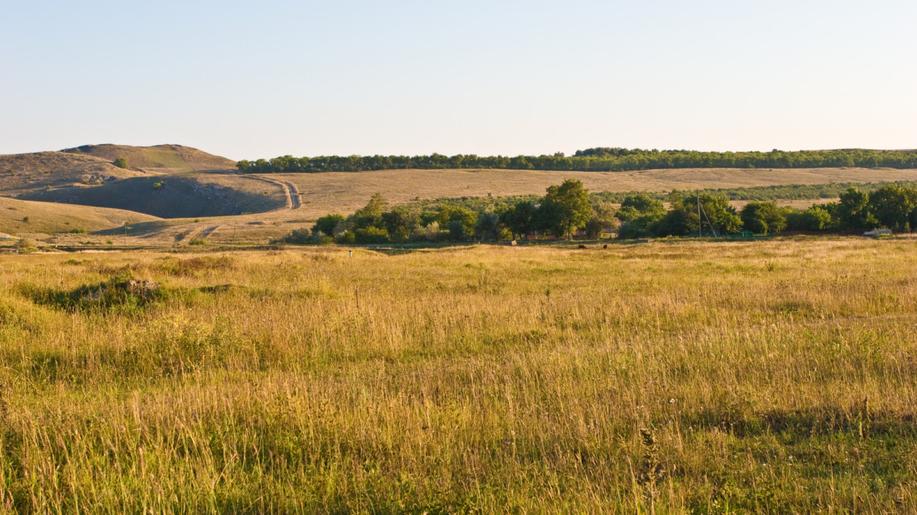
Yr Elenydd, Powys: After scaling Drygarn Fawr, my mind turns to the quartzite contained withinA bright, cold day promises firm going across the miry moorland that leads to the fine, remote hill of Drygarn Fawr, presiding spirit of what the late Wynford Vaughan Thomas called The Great Wilderness. It is precisely that, too, stretching from Machynlleth in the north to Bannau Brycheiniog in the south. I drive round to the headwaters of Afon Irfon and set off through forestry plantation, on a short approach best suited to a winter ascent.Bramblings glide among the wood margins, conspicuously white-rumped, their repetitive call-notes plangent and piercing among the silence of the trees. Atop an isolated spruce, a crossbill chips its response. Few footprints mark the snow beyond the moor gate. Its pristine surface is gold-stippled by clumps of rushes. Tracks of hares thread between them. I labour across Blaen Gwesyn to Drygarn's rocky summit ridge, climb to the higher easternmost summit and rest my back against its mighty cairn. It's 10 feet tall, perhaps 60 in circumference, visible for miles around. Its gleaming white quartzite core is concealed within a pebbly grey conglomerate cladding, damaged here and there by Ordnance Survey activity. Quartzite cores are a feature of old Welsh hilltop cairns. And quartzite, common though it might be, is a rock that's often recruited for usage at ritual sites, and not just in Wales. Continue reading...
Country diary: I rest against a mighty cairn that's visible for miles | Jim Perrin
11. února 2023 8:30
Příroda
Zdroj: The Guardian