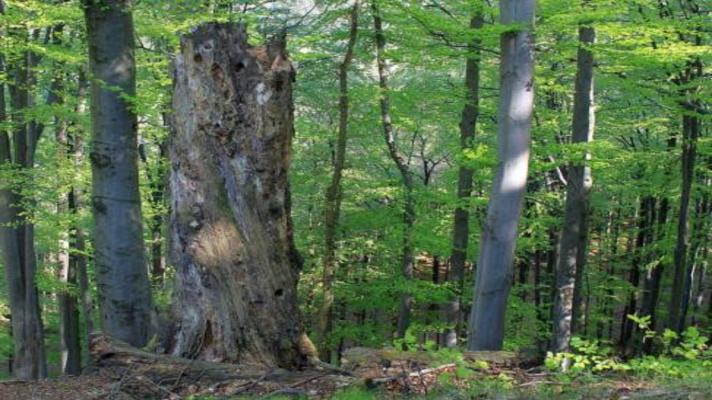
From the Sycamore Gap to Wrexham's sweet chestnut, Britain is increasingly vocal about its love of our historic treesHenry VIII was still on the throne when the shoots of a sweet chestnut first broke through the soil of Wrexham in what is now Acton Park. Copernicus was about to publish his theory that the Earth revolved around the sun. The Ming dynasty ruled China. More than 480 years on, the tree stands 24 metres tall and on Wednesday was crowned as tree of the year in the annual Woodland Trust competition. Generations have scavenged its chestnuts, taken the sticks that have fallen for firewood and sheltered beneath its splendid branches. It is not merely part of the landscape; it is part of community life.This year's contest highlighted urban trees, particularly vulnerable to felling and disease. There is now a host of evidence on the benefits that trees bring, not only in forests but in cities too. They range from boosting mental health, and even immunity, to reducing noise and air pollution, helping to cool the air, and reducing runoff in heavy rains - increasingly important as global temperatures rise. Beyond those lies the sheer pleasure that people take in them. The instinctive bond people feel was highlighted by the outrage and grief that greeted the overnight felling of the Sycamore Gap tree at Hadrian's Wall last month by unknown vandals. Though practically a sapling compared with Wrexham's tree - it was planted a mere 130 years ago - it had attracted marriage proposals and scatterings of ashes, as well as starring in countless photographs. Though the stump is expected to regrow, few of us will see anything approaching its former might in our lifetimes. Continue reading...
The Guardian view on protecting trees: planting is a gift to the future, but not enough | Editorial
19. října 2023 20:30
Příroda
Zdroj: The Guardian