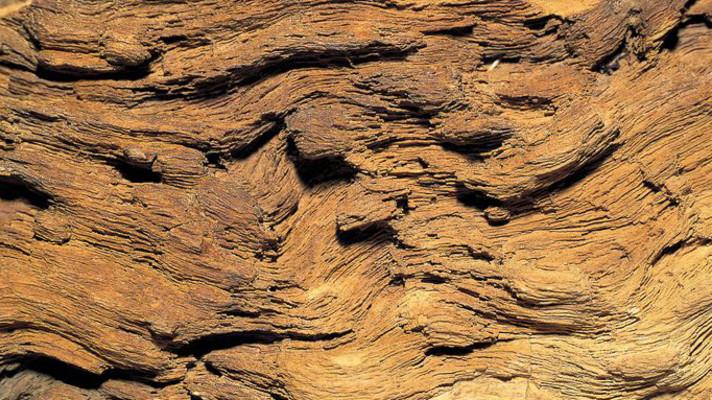
Rhyl, Denbighshire: On the popular beach here, within earshot of the amusement arcades, we visit a 6,000-year-old submerged forest"I must go back to a woollen vest, a woollen vest with sleeves!" my husband shouts - his favourite parody of the John Masefield poem "I must go down to the seas again" - at the fog and flurries of wind, intense rain and sleet as we carefully pick our way down the seaweed-slippery steps to the creamy sand beach at Rhyl. Climate change now means we have more massive winter storms, which scour away the sand to reveal another instance of climate change that struck this coast in the Mesolithic period.Huge brown tree stumps' roots crawl like giant fingered hands out of the sand. They are not fossils: spongy to the touch, at least 6,000 years old. They have been preserved here all this time thanks to waterlogging and periodic covering by sand in summers. Larger examples are at Borth and Trearddur. Continue reading...
Country diary: A drowned land in plain sight | Jan Miller
19. ledna 2024 9:33
Příroda
Celý článek: https://www.theguardian.com/environment/2024/jan/19/country-diary-a-drowned-land-in-plain-sight
Zdroj: The Guardian